
How to Cook a Tomahawk Steak for a Holiday Dinner Your Family Will Remember
Ask any family about their favorite holiday dinner, and you’ll probably hear a story long before you ever hear about the food.
Those meals become cherished memories because of who was there. That said, the food gives everyone a reason to gather, and one of the most memorable, showstopping meals you can serve is a tomahawk steak.
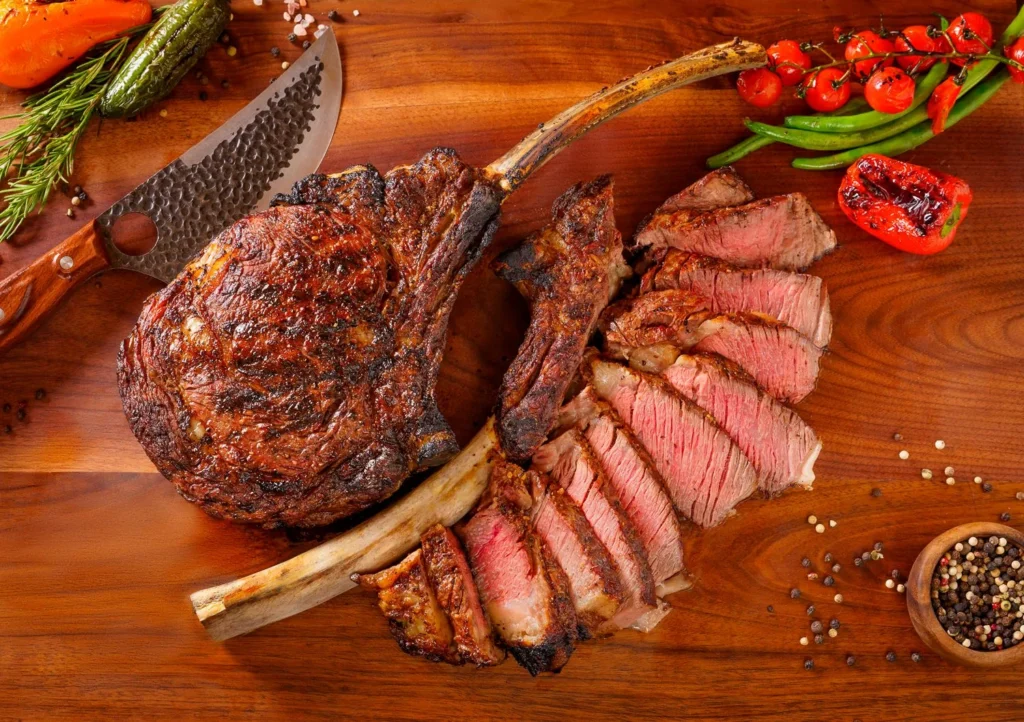
If you’re not familiar with this impressive cut, it’s a thick, bone-in ribeye with a long rib bone still attached, the kind of cut that pulls families out to the grill and has everyone asking for a picture. Learning how to cook a tomahawk steak is relatively simple, and you don’t need to be a chef or seasoned grill master. It cooks on the same grill you use all summer. The rest of the experience is about the people around it.
Key Takeaways: Cooking a Tomahawk Steak for Your Family
- Cook it low and slow first, then finish with a quick sear over high heat. Chefs call this a reverse sear.
- Use a meat thermometer to check doneness. A steak this thick needs more than a timer.
- Allow roughly 1–2 hours for cooking at 225°F, with extra time for especially thick steaks.
- Let the steak rest for 10 minutes before carving and serving.
What Is a Riverbend Ranch Tomahawk Steak?
A Riverbend Ranch tomahawk steak is a ribeye cut extra thick and left on the bone, with the long rib bone trimmed clean so it stands out on the plate. It comes from Riverbend’s premium Black Label Angus beef, so it has the marbling and tenderness that make ribeye a favorite in the first place.
The thickness is what makes it a holiday cut. A steak this thick builds a deep crust on the outside while the inside stays juicy, and it cooks slowly enough that everyone has time to gather around the grill. The name comes from the bone, which looks like the handle of a hatchet. You’ll also see it called a tomahawk ribeye.
Riverbend Ranch Tomahawk
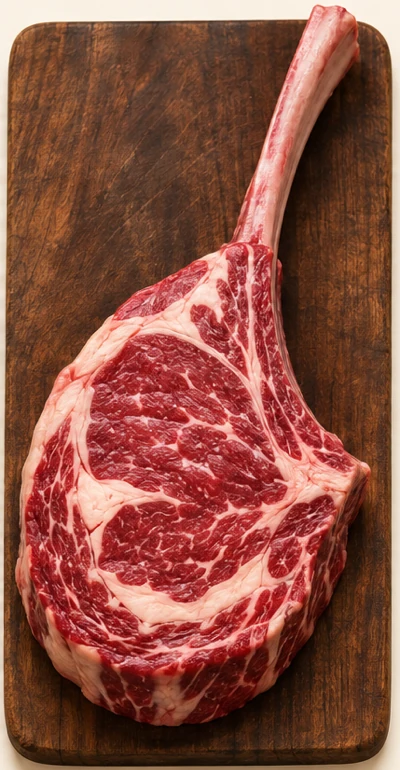
| Cut | Black Label Angus bone-in ribeye with a long, French-trimmed rib bone |
|---|---|
| Thickness | More than 2½ inches |
| Weight | About 2.9 pounds per steak (2.4 to 3.4 pounds) |
| Grade | USDA Choice or higher |
| Aging | 28 days |
| Raised | Without growth hormones and never fed antibiotics |
How to Cook a Tomahawk Steak on the Grill, Step by Step
The reverse sear gives a thick steak time to cook through before a hot finish builds the crust. Here’s how to cook a tomahawk steak, with a few ways to bring the family into the preparation.
- Take the steak out of the refrigerator about 45 minutes before cooking. This is a good time to let the kids see it up close.
- Season both sides with salt and pepper. Little hands can do this part.
- Set up a smoker or charcoal grill for low, indirect heat at 225°F.
- Cook with the lid closed, checking the temperature in the thickest part of the meat without touching the bone. For the medium-rare finish shown in the chart below, begin searing at about 120°F.
- Sear over high heat for a minute or two per side, until a deep brown crust forms. Keep checking the internal temperature; for medium-rare, remove the steak at about 125°F.
- Let it rest on a cutting board for 10 minutes. The internal temperature may rise several degrees during resting.
- Cut the meat away from the bone, slice it against the grain, and pass it around the table.
How Long to Grill a Tomahawk Steak
Plan on roughly 1–2 hours of cooking time when reverse-searing a tomahawk steak at 225°F, plus 10 minutes for resting. An especially thick steak may take longer, so leave yourself a little breathing room before dinner.
The exact timing depends on the steak’s thickness, your grill, and how you like your beef cooked. Use that window to plan the sides, but let a meat thermometer tell you when the steak is ready for its final sear. The chart below shows when to take it off the grill after searing and the approximate temperature to expect after resting.
Tomahawk Steak Doneness Temperatures
| Doneness | Take it off the grill | Temperature after resting* |
|---|---|---|
Rare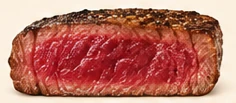 |
115°F | 120°F |
Medium-rare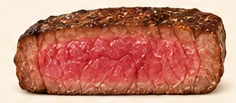 |
125°F | 130°F |
Medium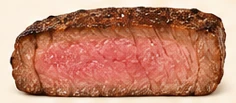 |
135°F | 140°F |
Medium-well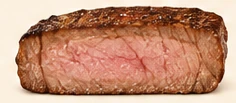 |
145°F | 150°F |
*Approximate temperatures. Carryover cooking varies; check with a food thermometer.
USDA food safety guidance: Cook beef steaks to at least 145°F before removing from heat, then rest for at least 3 minutes. Lower temperatures shown above do not meet this recommendation.
Riverbend Ranch Tomahawk Steaks on “Fox & Friends”
Riverbend Ranch tomahawk steaks were featured on “Fox & Friends” this month, just in time for holiday planning. Co-host Ainsley Earhardt, who is hosting her whole family this year, asked chef Ashton Keefe how to make the meal one everyone remembers.
“I want to make it special because I want us to remember it,” Earhardt said.
Keefe suggested putting the turkey in the oven and the tomahawk on the grill, so the whole meal comes together at once. “It kind of satisfies both your steak lovers and your turkey lovers,” Keefe said. “Everybody is happy.”
How to Make Tomahawk Steak Part of Your Family’s Holiday Tradition
The best holiday traditions usually start by accident. Someone tries something once, everyone loves it, and the next year someone asks, “Are we doing the big steak again?”
A tomahawk steak makes that easy, because it’s built to be shared. Here are a few ways to make the night about more than dinner.
Carve It at the Table
Bring the whole steak out on a board, bone and all, and carve it where everyone can see. Let the oldest person at the table do the honors, or start a tradition of passing the knife to someone new each year.
Keep the Sides Simple
A tomahawk is the centerpiece, so the rest of the meal can be familiar. Mashed potatoes, roasted vegetables, a green salad, and warm rolls let everyone focus on the steak and each other. Keep the family recipes that already mean something to you.
Use the Rest Time
Those 10 minutes while the steak rests are a natural pause. Raise a glass. Go around the table and share one thing from the year. Take the family picture before anyone starts eating.
Save the Bone
Some families save the bone for soup or broth the next day. It stretches the holiday a little longer.
The Family Ranch Behind Riverbend Ranch Beef
It fits that a steak meant for family dinners comes from a family operation. Riverbend Ranch belongs to Melaleuca founder Frank VanderSloot and his wife, Belinda, who come from five generations of ranchers. Their Black Angus cattle are raised on ranchlands in Montana, Wyoming, and Idaho, and Riverbend shares its Angus genetics with more than 200 Western ranching families who raise cattle for the program. Those families are a big part of the story. When you serve Riverbend Ranch beef at your table, you’re supporting theirs.
- That family operation also oversees how the beef is raised, aged, and processed.
- For 35 years, Riverbend has used ultrasound to select Angus cattle with the genetics for marbling, flavor, and tenderness.
- Riverbend Ranch Black Label beef is aged 28 days.
- Every cut is backed by Riverbend’s Never Ever Promise: raised without growth hormones and never fed antibiotics.
- Riverbend processes its beef in its own facility on the ranch, so it controls the process from start to finish.
Sharing a Tomahawk Steak With Family Far Away
A shared holiday meal can still connect family members celebrating at different tables. Send a tomahawk steak to your parents, to a sibling hosting their first Christmas, or to grandparents who always cooked for everyone else. Even when you can’t gather in one place, you can give them something special to gather around.
Not everyone can make it home for the holidays. A tomahawk steak is a way to send a family dinner to the people you’ll miss at the table.
Riverbend Ranch tomahawk steaks and other holiday cuts are available at melaleuca.com/RiverbendRanch. Holiday gifting is open to all Melaleuca customers.
Frequently Asked Questions About Cooking a Tomahawk Steak
What is a tomahawk steak?
A tomahawk steak is a thick ribeye with the long rib bone left attached and trimmed clean. It’s also called a tomahawk ribeye.
How do you cook a tomahawk steak?
Use a reverse sear. Start on a smoker or over indirect heat on a charcoal grill at 225°F, then finish over high heat to build a crust. For the medium-rare finish shown in the chart, begin searing at about 120°F and remove the steak at about 125°F. Rest for 10 minutes before slicing. These temperatures are below the USDA’s recommended minimum of 145°F followed by at least a 3-minute rest.
How long does it take to grill a tomahawk steak?
A reverse sear takes longer than grilling a regular ribeye because the steak cooks low and slow before the final sear. Cooking time depends on your grill, the steak’s thickness, and the doneness you want, so use a meat thermometer instead of a timer.
What temperature should a tomahawk steak be?
For the medium-rare finish shown in the chart, remove the steak after searing at about 125°F; it may reach about 130°F during resting. Carryover cooking varies. For food safety, the USDA recommends reaching 145°F before removing the steak from the heat, followed by at least a 3-minute rest.
How big is a tomahawk steak?
A Riverbend Ranch tomahawk steak is more than 2½ inches thick and weighs about 2.9 pounds, with individual steaks ranging from 2.4 to 3.4 pounds.
What’s the difference between a tomahawk steak and a ribeye?
The meat is the same cut. A tomahawk keeps the full rib bone and is cut much thicker than a standard ribeye.
Where does Riverbend Ranch beef come from?
Riverbend Ranch raises American Black Angus cattle on ranchlands in Montana, Wyoming, and Idaho and partners with more than 200 Western ranching families. It processes its beef in its own facility on the ranch. Riverbend Ranch cattle are raised without growth hormones and never fed antibiotics.